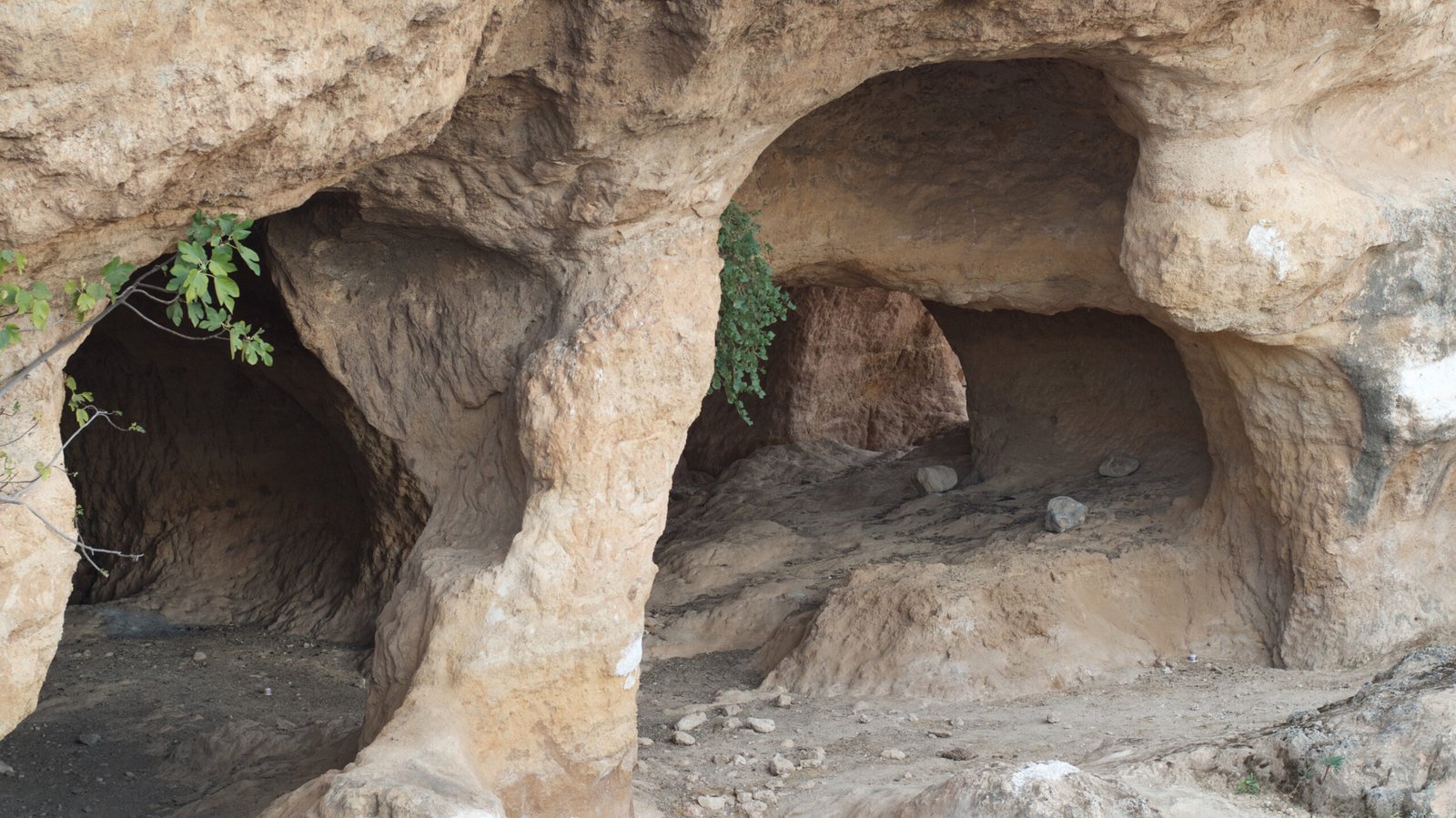
The caves of Sefrou are where culture, history, and nature are brought together in what is arguably the most fascinating site of the city.
Only a short walk from the old medina, the caves are located on the Mountain Between Us (Jebel Binna) and are among Sefrou’s most obvious symbols of cultural tolerance and the region’s Jewish history.
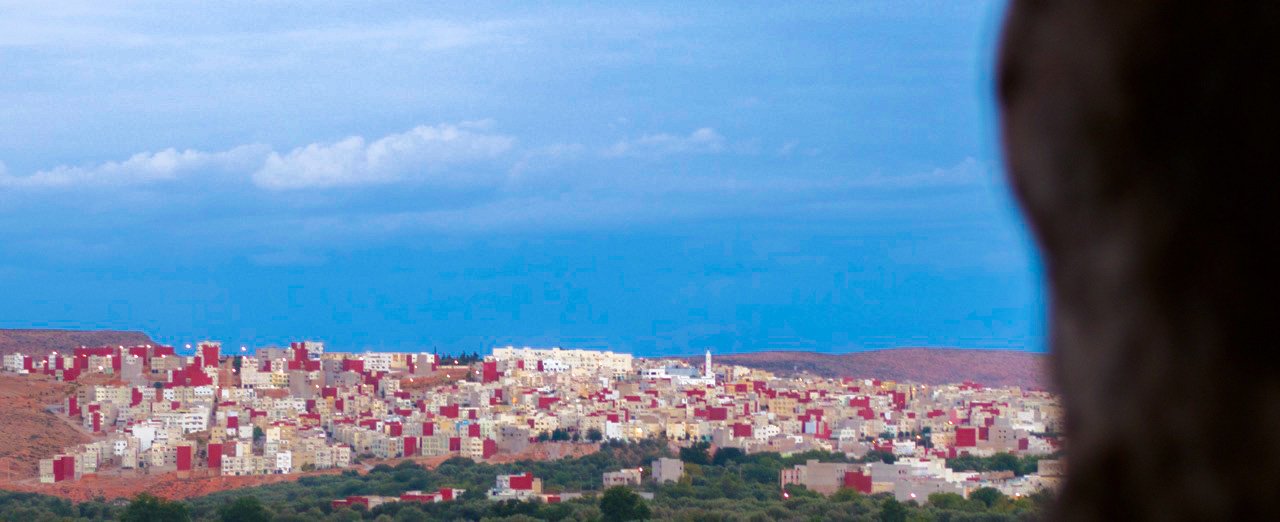
The mountain’s name is said to represent the bond of community between Sefrou’s Jewish and Muslim inhabitants. And while Sefrou’s Jews have largely left the area, locals continue to respect the mountain’s significance to Sefrou’s reputation as an open and diverse city. The mountain ‘stands between’ Jews and Muslims hand in hand, side by side.
You will stumble upon this theme first on the path to the caves, where you will pass the adjacent old Jewish and Muslim cemeteries. The Muslim cemetery may be entered and photographs of old headstones and grave sites are permitted.

The Jewish cemetery generally permits Jews only, however, much of it may be seen from the perimeter as its walls are not even waist height. The property is well-cared for in comparison to the Muslim cemetery and hosts several revered rabbis known to the area.

Once at the destination, you will take notice of two cave openings. The cave to the left, Kaf Al Yahud, is the Jewish cave. The cave is said by some to be the burial site of the prophet Daniel, who many believe to be of North African origin and quite possibly a Berber.
The rumor has developed the cave into a small pilgrimage site for Jews, and many tourists from Israel make stops at Sefrou to provide offerings at the cave in search of healing ailments. Recently, I accompanied a young Israeli tourist to the cave where she was ordered by a rabbi to sacrifice a chicken in the cave to help her overcome an illness she was fighting. Similar visits are made by others, so do not be surprised to spot candles, scripture, or even the odd animal remains upon your entrance to the cave.

Similarly, the Muslim cave (Kaf Al Mou’men) on the right side of the cave entrance is believed to possess spiritual healing powers. Women who struggle to find husbands are routinely sent to the cave to receive a marriage blessing. Sometimes, these women bring along traditional Moroccan musicians to assist with the ritual of sacrificing a chicken or black goat to God.

The presence of many cats adds to the caves’ mystical feature, especially when visiting at night. I typically prefer to bring visitors during daylight when the blackness of the caves is less intense. For the more adventurous traveler, however, a stop to the caves during the evening is not a problem!